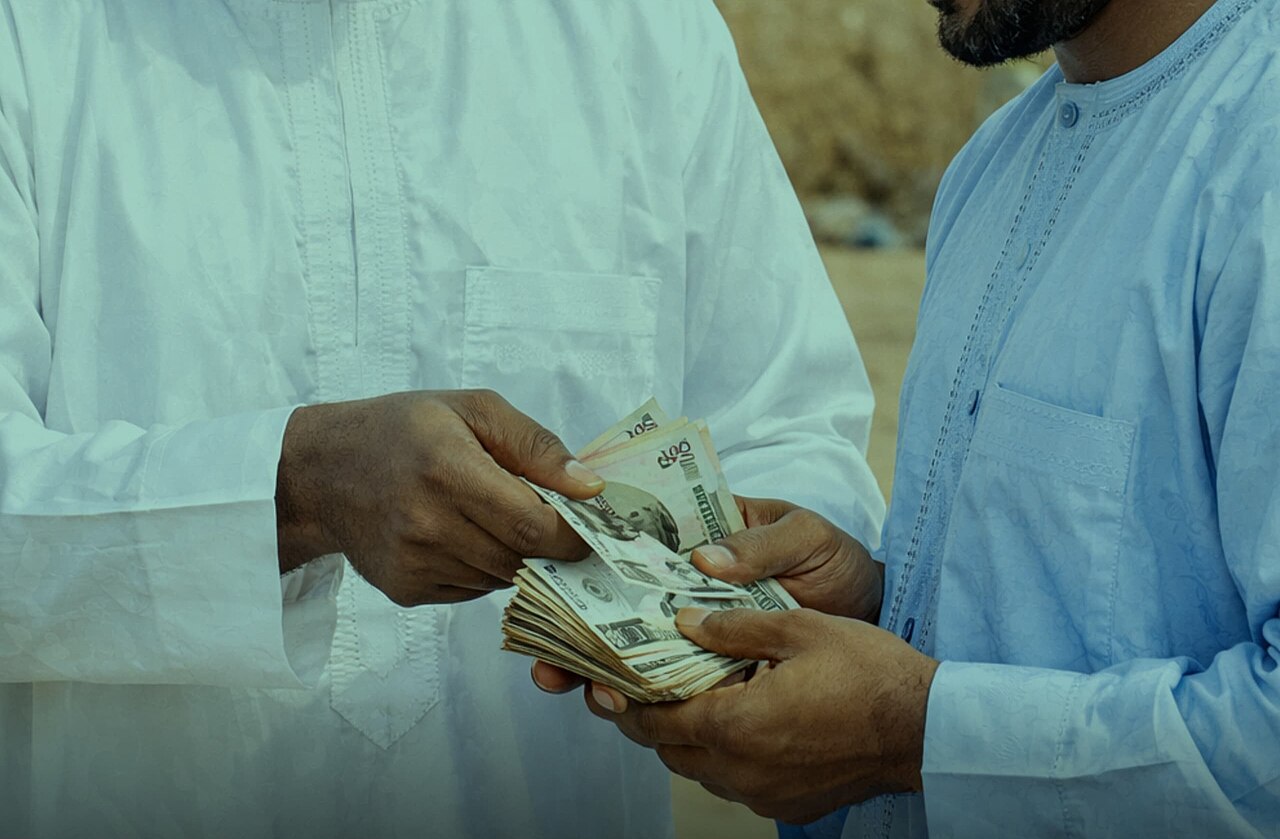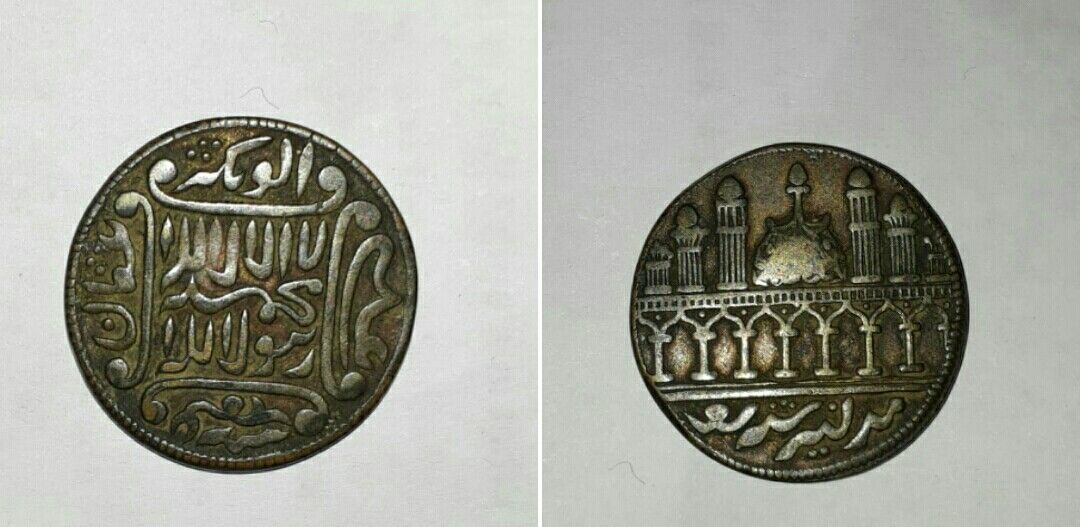
Zakat is the third pillar of Islam, yet many Muslims delay it because the calculation seems complicated. What counts? Which threshold applies? What about bank savings, shares or a pension? This guide explains zakat in simple steps: the nisab, the one-year rule, how to treat modern assets and who can receive it. Use it as a starting point, and consult a qualified scholar for complex situations such as large businesses.
What Is Zakat?
Zakat literally means purification and growth. It is a fixed portion of qualifying wealth that a Muslim must give each year once certain conditions are met. Allah mentions it alongside prayer many times: "And establish prayer and give zakat" (Quran 2:43). Zakat purifies wealth, softens the heart and supports the community.
Who Must Pay Zakat?
Zakat is due from a Muslim who is sane, has reached puberty (according to some schools; others require it on the wealth of children too, paid by the guardian), and who owns wealth at or above the nisab for a full lunar year.
Understanding Nisab: Gold vs Silver
The nisab is the minimum amount of wealth a person must own before zakat becomes due. It is based on the hadith that set it at 20 dinars of gold and 200 dirhams of silver. In modern weights these are commonly given as:
- Gold nisab: about 85 grams of gold (some calculations use 87.48 g).
- Silver nisab: about 595 grams of silver (some use 612.36 g).
Because silver is much cheaper than gold, the silver nisab is a far lower figure. Many scholars, including the Hanafi school, recommend using the silver nisab for mixed wealth such as cash and savings, because it benefits the poor more. Others use the gold nisab. Whichever you follow, check the current market price of gold or silver in your country on the day you calculate.
The Lunar Year (Hawl)
Zakat is due when your qualifying wealth has stayed above the nisab for one full lunar (hijri) year. In practice, most people pick a fixed zakat date, for example 1 Ramadan, and calculate every year on that date. On that day, add up what you own, subtract what is deductible, and if the total is above nisab, pay 2.5%.
Note: the lunar year is about 11 days shorter than the solar year. If you use a Gregorian date, some scholars suggest using 2.577% to account for the difference.
What Counts Towards Zakat?
Cash and bank savings
All cash at home, current and savings account balances, mobile wallet balances (such as bKash or Nagad) and foreign currency count in full.
Gold and silver
Gold and silver bars and coins are zakatable. For jewellery worn by women, the schools differ: the Hanafi school includes it, while the majority do not require zakat on jewellery that is normally worn. Follow your madhhab or a trusted scholar.
Business assets
Stock held for sale (inventory) is valued at its current market price. Cash in the business and money owed to you that you expect to receive are included. Fixed assets you use to run the business, such as machinery, shop premises and vehicles, are not included.
Shares and investments
- Shares bought for trading (short-term resale): pay zakat on their full market value.
- Shares held long-term for dividends: many contemporary scholars allow paying on your share of the company's zakatable assets (cash, receivables, inventory). If this is hard to find, paying on the market value is the cautious approach.
- Only invest in halal, Shariah-compliant companies in the first place.
Pensions and retirement funds
Contemporary scholars differ. A common view is that if you can access the money (even with a penalty), zakat is due on the accessible amount after penalties and tax. If you cannot access it at all until retirement, many say zakat is paid once you receive it. Seek a fatwa for your specific scheme.
Cryptocurrency
Scholars who consider certain cryptocurrencies permissible treat them like cash or trade goods: pay 2.5% of their market value on your zakat date. Their permissibility itself is debated, so research carefully.
Property
Your home and the property you live in are not zakatable. Property bought for resale is a trade good and its value counts. For rental property, zakat is paid on the saved rental income, not the property's value.
What Can Be Deducted?
Debts that are due now, such as bills, rent and the current instalments of a loan, can generally be deducted. Scholars differ on long-term debts such as a full mortgage; a common contemporary view is to deduct only the payments due in the coming year.
A Simple Zakat Calculation Example
- Cash and bank: 150,000 taka
- Gold for investment: value 200,000 taka
- Trading shares: 50,000 taka
- Minus bills due now: 20,000 taka
- Net zakatable wealth: 380,000 taka
- If this is above nisab on your zakat date, zakat is 380,000 × 2.5% = 9,500 taka.
Who Can Receive Zakat? (Quran 9:60)
Allah Himself named the eight categories: "Zakah expenditures are only for the poor and for the needy and for those employed to collect [zakah] and for bringing hearts together [for Islam] and for freeing captives [or slaves] and for those in debt and for the cause of Allah and for the [stranded] traveller" (Quran 9:60).
- Al-fuqara': the poor
- Al-masakin: the needy
- Al-'amilina 'alayha: zakat administrators
- Al-mu'allafati qulubuhum: those whose hearts are being reconciled
- Fir-riqab: freeing captives
- Al-gharimin: people burdened with debt
- Fi sabilillah: in the cause of Allah
- Ibnus-sabil: the stranded traveller
Zakat cannot be given to your parents, grandparents, children or grandchildren, or by a husband to his wife, because you are already responsible for supporting them. Poor siblings, aunts, uncles and cousins can receive it, and it is especially rewarding to give to needy relatives. Many mosques collect zakat for local families; you can find mosques near you on MosqueByMe and ask the committee about their zakat distribution.
Frequently Asked Questions
Is zakat 2.5% of my salary?
No. Zakat is not on income itself but on wealth you have saved that remains above nisab for a lunar year.
Can I pay zakat in instalments?
You may pay in advance throughout the year and settle the balance on your zakat date. Delaying it after it becomes due is not allowed without a valid reason.
Can zakat be used to build a mosque?
The majority of scholars say zakat should go to individuals in the eight categories and not to building mosques. Use general sadaqah for mosque construction.
Is Zakat al-Fitr the same as zakat?
No. Zakat al-Fitr is a small charity per person paid before the Eid al-Fitr prayer. Zakat al-mal is the annual 2.5% on wealth.
Zakat is not a loss; it is a purification and a means of barakah. Calculate it this year with confidence, and give it with a cheerful heart.
Image Credits
- Inauguration of Maldives Zakat House (63).jpg by The President's Office, Maldives, CC BY 4.0, via Wikimedia Commons
- Muslim Giving Charity During Ramadan.jpg by Pharouqenr, CC BY-SA 4.0, via Wikimedia Commons
- Medina Tanka, a late medieval (possibly 19th century) Islamic Token Coin, bearing the image of Medina Sharif on the obverse and the Shahada on the reverse.jpg by SpeakingArch, CC BY-SA 4.0, via Wikimedia Commons