Freelancing and remote work have opened new doors for Muslims around the world, and Bangladesh has one of the largest freelance workforces anywhere. Designers, developers, writers and marketers now earn from clients in many countries. With this opportunity comes a responsibility: making sure our income is halal and full of barakah. This guide covers the essential Islamic guidelines for freelancers, tech workers and online entrepreneurs.
Why Halal Income Matters So Much
The Prophet ﷺ said that Allah is good and accepts only what is good. He then mentioned a man on a long journey, dishevelled and dusty, raising his hands to the sky saying "O Lord, O Lord", while his food is unlawful, his drink is unlawful and his clothing is unlawful, "so how can he be answered?" (Sahih Muslim 1015).
This hadith shows that halal sustenance (rizq halal) is directly connected to whether our du'as are answered. A lawful income is not just a financial matter. It is a spiritual foundation.
1. Fulfil Your Contracts (Amanah)
Allah says: "O you who have believed, fulfil [all] contracts" (Quran 5:1). For freelancers, every accepted job, every signed agreement and every platform's terms of service is a contract.
- Deliver what you promised: the agreed scope, quality and deadline.
- Communicate early if you will be late. Silence and disappearing on a client is a breach of trust.
- Do not accept work you cannot do just to win the job. Be honest about your skills.
- Respect confidentiality: client data, passwords and source code are an amanah.
The Prophet ﷺ described the signs of a hypocrite: when he speaks he lies, when he promises he breaks it, and when he is trusted he betrays (Sahih al-Bukhari 33). A Muslim professional should be the opposite.
2. Bill Honestly
Allah warns: "Woe to those who give less [than due], who, when they take a measure from people, take in full. But if they give by measure or by weight to them, they cause loss" (Quran 83:1-3). Short-changing is not only about scales in a market.
Honest billing in practice
- Log only the hours you actually worked when billing hourly.
- Do not use tricks to inflate time trackers or fake activity.
- If you are a salaried remote employee, give your employer the hours they pay for and avoid running hidden side jobs during those hours unless allowed.
- Be transparent if you use AI tools or subcontractors when the client expects your personal work.
The Prophet ﷺ said: "The truthful, trustworthy merchant will be with the prophets, the truthful and the martyrs" (Jami' at-Tirmidhi 1209). Honest work is an act of worship.
3. Vet Your Clients and Projects
Not every project is halal, even if the payment is good. Before accepting work, ask what the product or service is used for. Avoid directly helping with:
- Interest-based (riba) products: for example building marketing for conventional loans or interest calculators for lending. Allah says He has permitted trade and forbidden riba (Quran 2:275).
- Alcohol, drugs and pork businesses.
- Gambling and betting sites, apps and promotions, including many casino-style games.
- Adult or immoral content.
- Deceptive marketing: fake reviews, misleading ads, scams and get-rich-quick schemes.
- Software that harms people, such as hacking tools or spyware used against others.
Allah says: "And cooperate in righteousness and piety, but do not cooperate in sin and aggression" (Quran 5:2). Scholars differ on indirect and general-purpose work (for example a general website for a company with mixed activities), so ask a knowledgeable scholar about grey areas.
4. Pay and Get Paid Fairly
If you hire other freelancers, pay them on time and as agreed. A well-known narration says: "Give the worker his wages before his sweat dries" (Sunan Ibn Majah 2443, graded authentic by several scholars due to supporting chains). Delaying payment while you are able to pay is injustice.
When receiving payment, prefer halal financial channels where available, and avoid earning interest on balances. If interest is credited to your account automatically, many scholars advise giving it away to charity without intending reward.
5. Avoid Envy and Unfair Competition
- Do not undercut a fellow Muslim after a deal has been agreed. The Prophet ﷺ forbade one person from selling over the sale of his brother (Sahih al-Bukhari 2139).
- Do not leave false negative reviews for competitors.
- Remember that rizq is written by Allah; competition should be through excellence, not harm.
6. Pay Zakat on Your Savings
Freelancers often have irregular income and savings in several accounts and wallets. Pick a fixed annual zakat date, add up your cash, balances on platforms and payment services, and pay 2.5% if your savings are above nisab. Keep a simple spreadsheet so that you do not forget.
7. Protect Your Prayers and Health
Remote work blurs the line between work and rest. Calls with clients in other time zones can clash with prayer times.
- Block prayer times in your calendar so they cannot be booked.
- For Jumu'ah, plan ahead and tell clients you are unavailable at that time. Use MosqueByMe to find a mosque near your co-working space or home.
- Take breaks, sleep at night and avoid working through Fajr after a late-night project.
- Rizq comes from Allah; sacrificing your prayers for a deadline never brings barakah.
The Spiritual Impact of Halal Rizq
Lawful income brings peace of mind, answered du'as and barakah in what you have, even if it is less. Unlawful income may look large but brings anxiety and loss of blessing. Allah promises: "And whoever fears Allah, He will make for him a way out and will provide for him from where he does not expect" (Quran 65:2-3).
Frequently Asked Questions
Is freelancing halal?
Yes. Selling your skills and time is a lawful form of work (ijarah), as long as the work itself and the contract terms are halal.
Can I build a website for a bank?
Scholars differ. Directly promoting interest-based loans is avoided by most; general IT work for a mixed institution is debated. Seek a specific fatwa.
Is using AI tools in my work cheating?
Not in itself. It becomes dishonest if the client clearly expects human-only work or you misrepresent what you delivered.
What if I already earned money from a haram project?
Repent, stop such work, and many scholars advise giving the unlawful earnings away to charity without expecting reward.
Earn with integrity, give generously and keep Allah at the centre of your work. That is the true secret of barakah.
Image Credits
- Young woman working on laptop and writing at home.jpg by Shixart1985, CC BY 2.0, via Wikimedia Commons
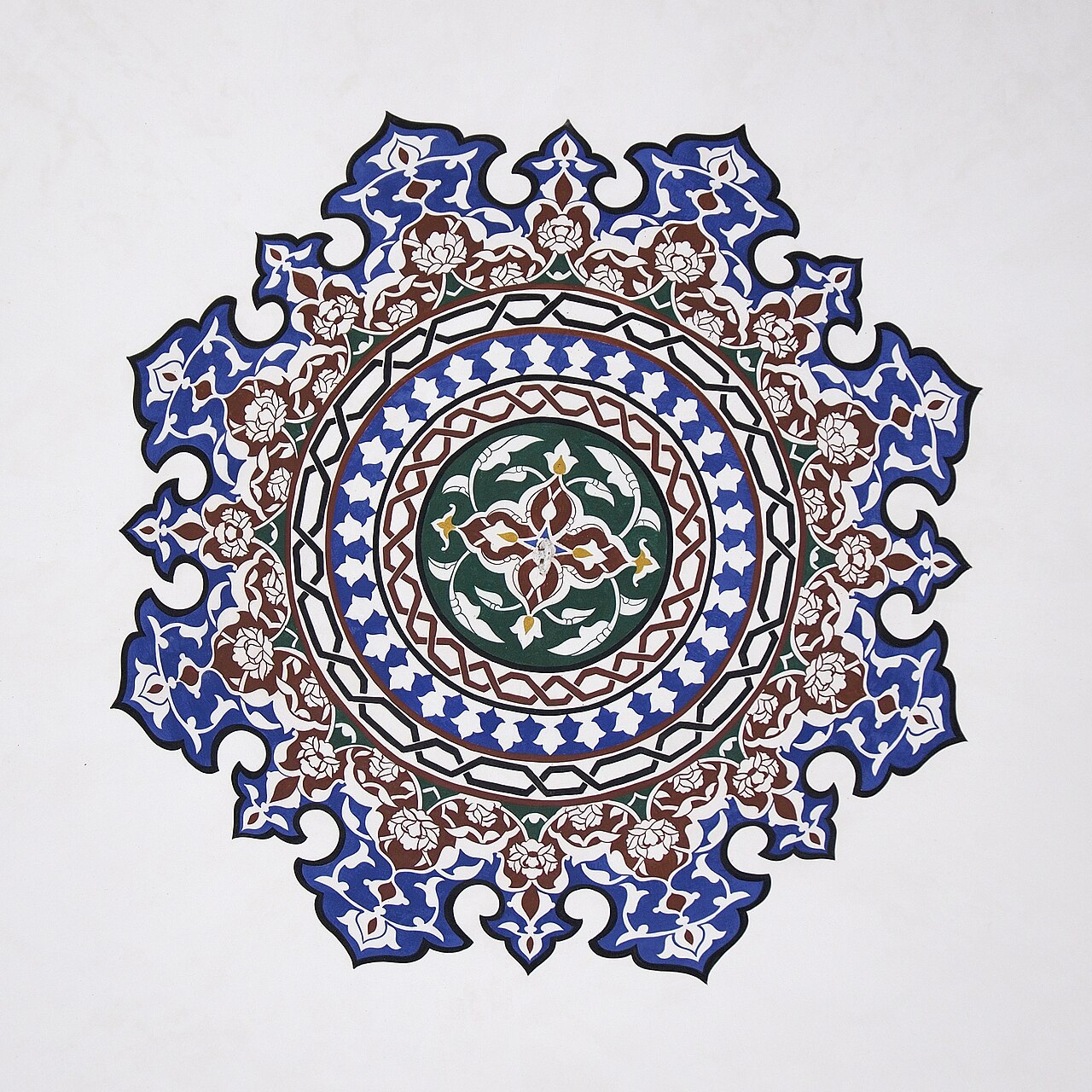
- Islamic geometric patterns (Aydar kadi mosque, Bitola, Macedonia).jpg by Petar Milošević, CC BY-SA 4.0, via Wikimedia Commons
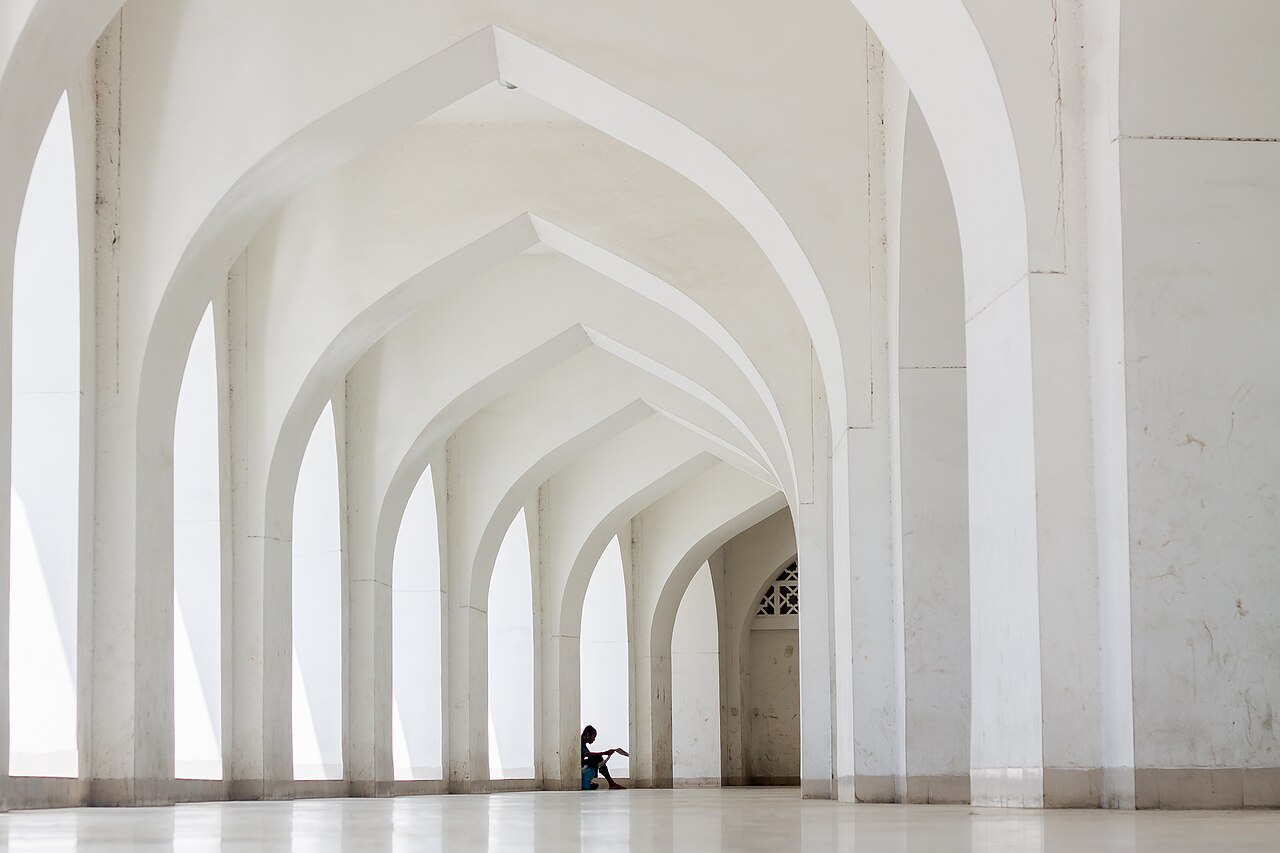
- বায়তুল মোকাররম.jpg by Jubair1985, CC BY-SA 4.0, via Wikimedia Commons