Every Ramadan, many Muslims miss fasts because of illness, travel, pregnancy, breastfeeding or menstruation. Then come the questions: Do I make them up or pay? How much? What if I broke a fast on purpose? By when must I finish? This guide explains the difference between qada, fidyah and kaffarah, and the rules for travellers and the sick, in clear language.
The Quranic Basis
Allah says: "[Fasting for] a limited number of days. So whoever among you is ill or on a journey, then an equal number of other days. And upon those who are able [to fast, but with hardship] a ransom [as substitute] of feeding a poor person" (Quran 2:184). And: "Allah intends for you ease and does not intend for you hardship" (Quran 2:185).
These verses lay the foundation: Islam gives concessions to those with genuine difficulty, and provides a way to make up what is missed.
Three Key Terms
1. Qada: making up the fast
Qada means fasting one day later for each day missed. It applies to anyone who missed a fast for a valid reason and is able to fast later, such as a person who was temporarily sick, a traveller, or a woman who was menstruating or recovering after childbirth.
2. Fidyah: compensation by feeding the poor
Fidyah is feeding one poor person for each day missed, or giving its value according to schools that allow this. It is for people who cannot fast now and are not expected to be able to fast later, such as the very elderly or those with a chronic illness that makes fasting harmful. They do not need to make up the fasts.
The amount is usually set at one meal or a measure of staple food per day. In Bangladesh, the Islamic Foundation's annual fitra announcement is often used as a guide for the fidyah amount per day.
3. Kaffarah: expiation for deliberately breaking a fast
Kaffarah is a heavier expiation. All schools agree it is required for deliberately having sexual intercourse during the day in Ramadan. When a man came to the Prophet ﷺ saying he had done this, the Prophet ﷺ asked whether he could free a slave, then whether he could fast two consecutive months, then whether he could feed sixty poor people (Sahih al-Bukhari 1936, Sahih Muslim 1111).
So kaffarah today is fasting 60 consecutive days, or, if truly unable, feeding 60 poor people, in addition to making up the broken day. The Hanafi and Maliki schools also require kaffarah for deliberately eating or drinking without excuse in Ramadan, while the Shafi'i and Hanbali schools limit it to intercourse.
Rules for the Traveller
- A traveller on a journey of the distance for shortening prayer (about 80 km according to many scholars, with differences between schools) may choose not to fast.
- The companions travelled with the Prophet ﷺ in Ramadan; some fasted and some did not, and neither criticised the other (Sahih al-Bukhari 1947).
- If fasting is easy, many scholars say fasting is better. If it causes real hardship, breaking the fast is better.
- Missed days are made up later (qada). No fidyah is required.
- Someone who is a resident in their own city cannot use the travel concession.
Rules for the Sick
- Temporary illness (fever, infection, recovery from surgery): break the fast if fasting causes harm or slows recovery, then make up the days later.
- Chronic illness with no expectation of recovery (for example some diabetic patients on medical advice): pay fidyah for each day instead.
- Follow the advice of a trustworthy Muslim doctor about whether fasting is safe for you.
Pregnancy and Breastfeeding
A pregnant or breastfeeding woman who fears harm to herself or her baby may break the fast. Scholars differ on what she owes afterwards: the Hanafi school says qada only; others require qada and, in some cases, fidyah as well. Many contemporary scholars accept qada alone as sufficient. Follow your madhhab and consult your doctor.
Menstruation and Post-Natal Bleeding
Women do not fast while menstruating or during post-natal bleeding, and they make up those days later. Aisha (may Allah be pleased with her) said: "We were commanded to make up the fasts, and we were not commanded to make up the prayers" (Sahih Muslim 335).
Deadline for Making Up Fasts
Missed fasts should be made up before the next Ramadan. Aisha (may Allah be pleased with her) said she would have fasts from Ramadan to make up and could not do so until Sha'ban (Sahih al-Bukhari 1950).
- It is better to make them up quickly, while you remember and are healthy.
- Days do not need to be consecutive.
- If someone delays without excuse until the next Ramadan, the majority of scholars say he must still make them up and also pay fidyah for each day; the Hanafi school says qada only. All agree he should repent.
- Avoid making up fasts on the days on which fasting is forbidden, such as the two Eids.
Things That Do Not Break the Fast
Eating or drinking by genuine forgetfulness does not break the fast: "Whoever forgets while fasting and eats or drinks, let him complete his fast, for it is Allah who fed him and gave him drink" (Sahih al-Bukhari 1933, Sahih Muslim 1155). Unintentional vomiting, brushing teeth without swallowing and having a blood test also do not break the fast, according to most scholars.
Quick Summary Table
- Traveller: qada later
- Temporary illness: qada later
- Chronic illness / elderly: fidyah for each day
- Menstruation / post-natal bleeding: qada later
- Pregnancy / breastfeeding: qada (some schools add fidyah)
- Deliberate intercourse in a Ramadan day: qada + kaffarah
Frequently Asked Questions
Can I pay fidyah instead of making up my fasts because I am busy?
No. Fidyah is only for those who cannot fast at all, now or later. A healthy person must make up the days.
I don't remember how many fasts I missed years ago. What should I do?
Make your best estimate, choose the higher number to be safe, and start making them up gradually.
Can I combine a qada fast with a Monday Sunnah fast?
Many scholars say you may intend the qada fast on a Monday or Thursday and hope for the extra reward. The obligatory intention should be the main one.
Where can I ask about my situation?
Speak to the imam of your local mosque. You can find nearby mosques and directions on MosqueByMe.
Allah wants ease for us. Use these concessions with sincerity, make up what you owe, and approach the next Ramadan with a clean slate.
Image Credits
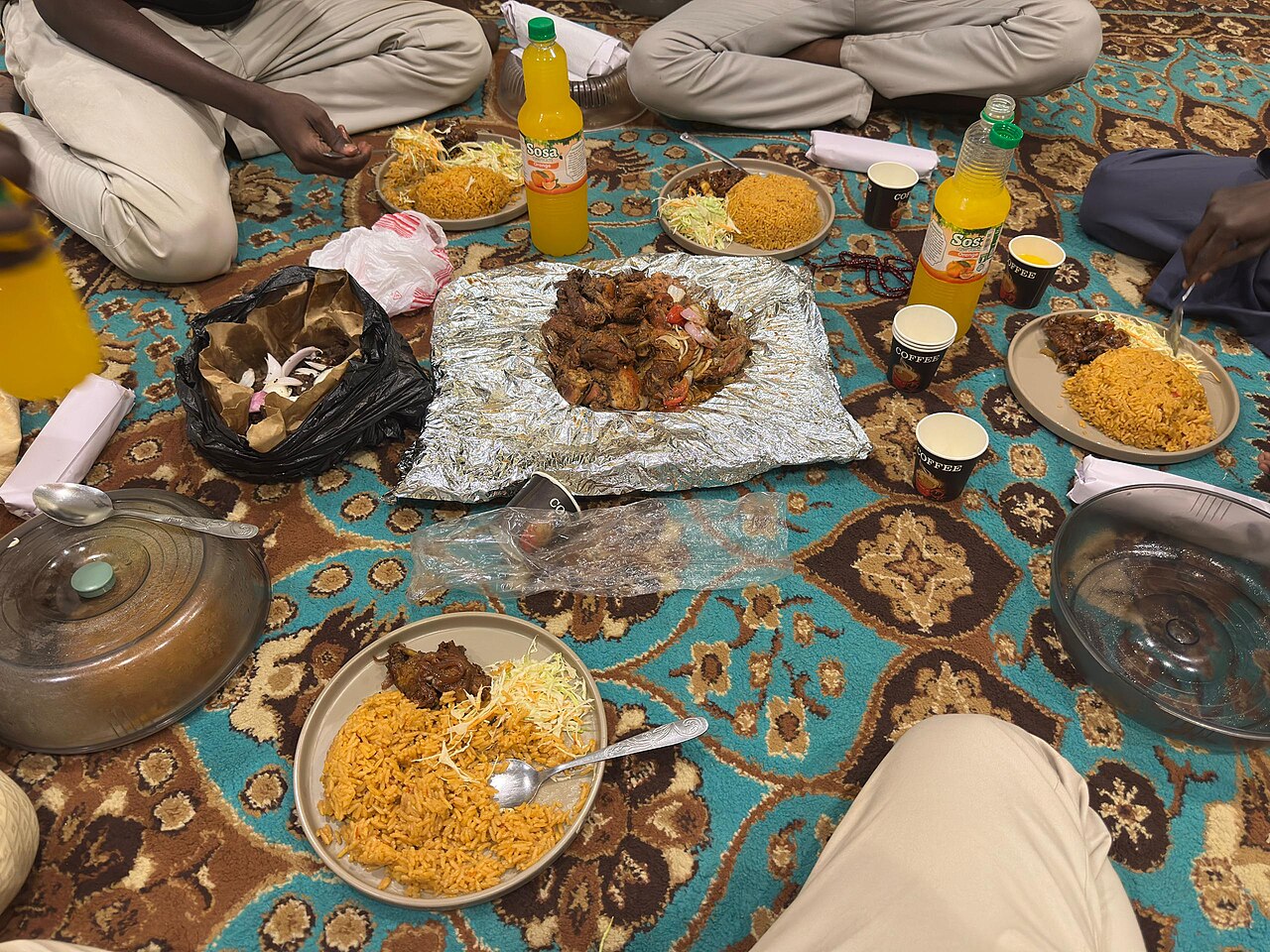
- Iftar (meal eaten after sunset while fasting) with friends in Ramadan.jpg by Mhizabdoul, CC BY 4.0, via Wikimedia Commons
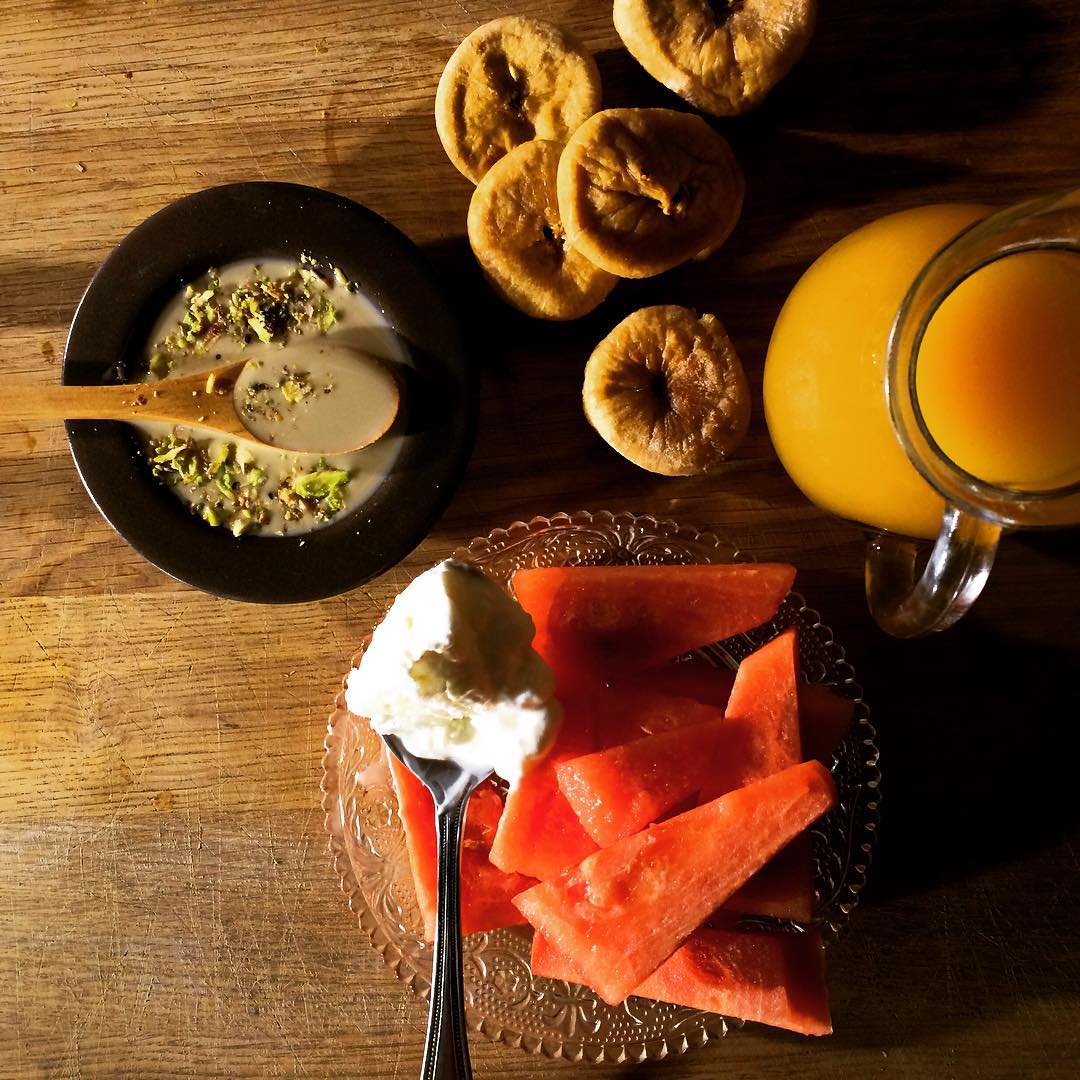
- Suhur.jpg by Hussein Alazaat from Amman, Jordan, CC BY 2.0, via Wikimedia Commons
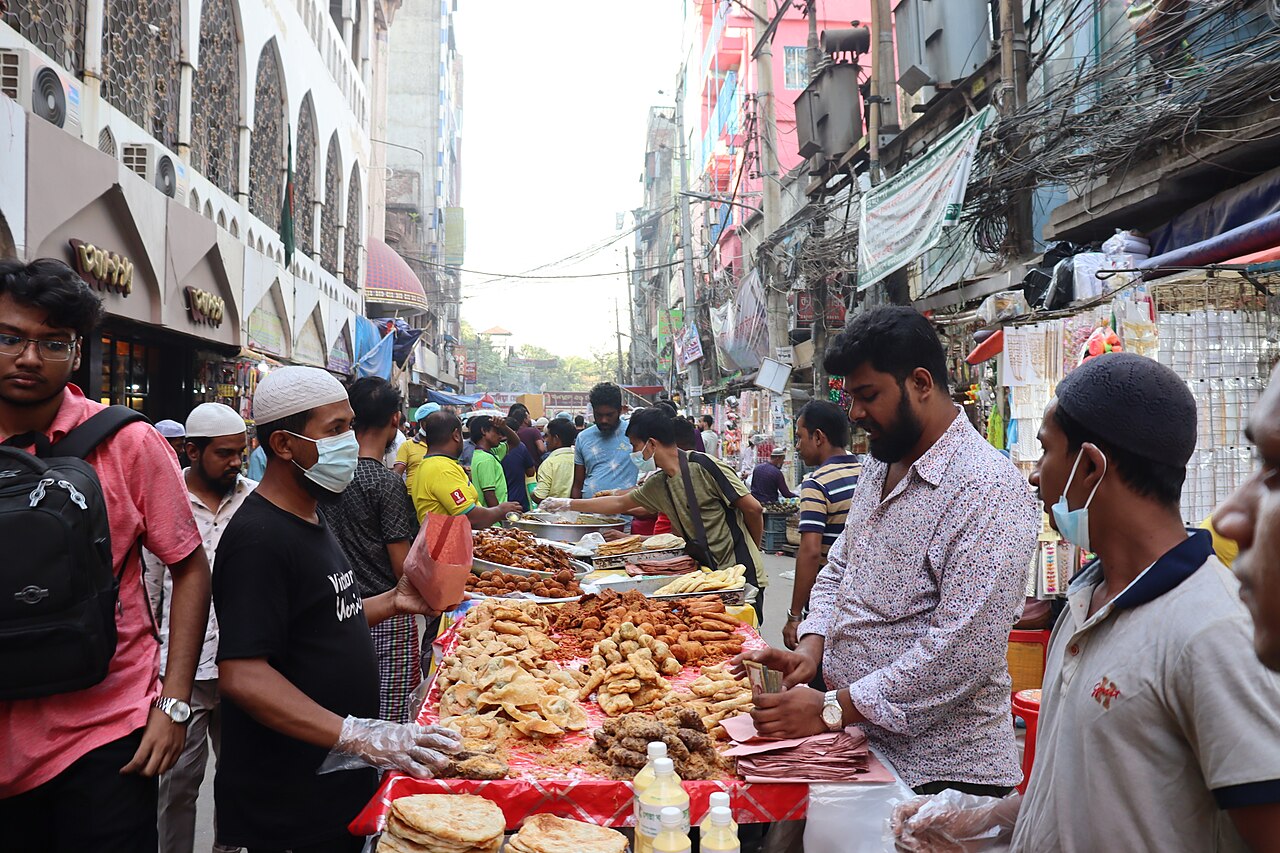
- Chawkbazar Iftar Market 7.jpg by Wasiul Bahar, CC BY-SA 4.0, via Wikimedia Commons
- Dates fruit.jpg by Hajia Hijjah, CC BY-SA 4.0, via Wikimedia Commons