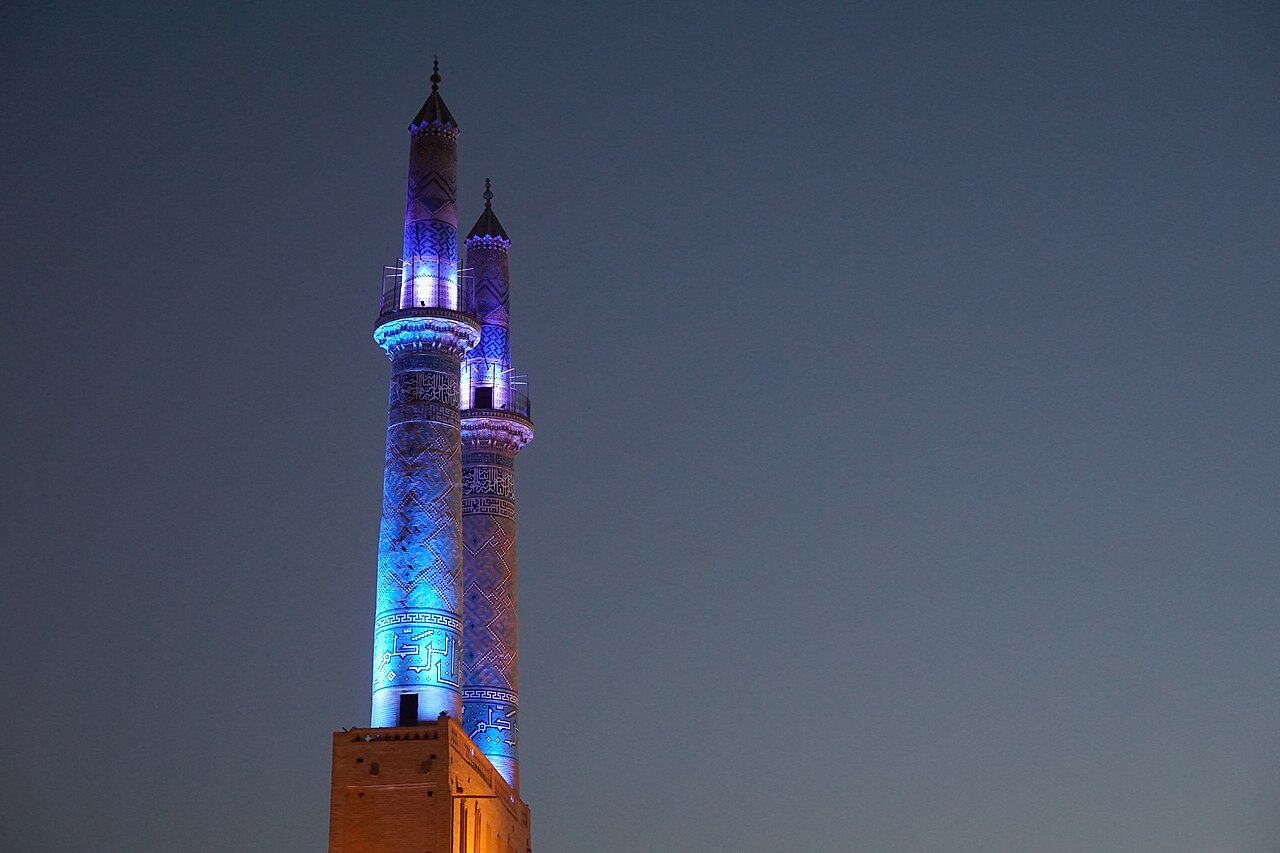
In the quiet hours before dawn, while most of the world is asleep, there is an appointment open to every believer. Tahajjud, the voluntary night prayer, was the regular practice of the Prophet ﷺ and the righteous before us. Many people try it for a few nights and then quit. This guide explains its virtues from authentic sources and gives practical strategies to wake up consistently and keep going.
What Is Tahajjud?
Tahajjud is voluntary prayer offered at night after sleeping. It is part of qiyam al-layl (standing in the night). Its time begins after 'Isha and lasts until Fajr, and the best time is the last third of the night. Allah addressed the Prophet ﷺ: "And from [part of] the night, pray with it as additional [worship] for you; it is expected that your Lord will resurrect you to a praised station" (Quran 17:79).
The Virtues of the Night Prayer
The best prayer after the obligatory prayers
The Prophet ﷺ said: "The best prayer after the obligatory prayers is the prayer at night" (Sahih Muslim 1163).
Allah's descent in the last third of the night
The Prophet ﷺ said: "Our Lord, the Blessed and Exalted, descends every night to the lowest heaven when the last third of the night remains, and says: Who is calling upon Me, that I may answer him? Who is asking of Me, that I may give him? Who is seeking My forgiveness, that I may forgive him?" (Sahih al-Bukhari 1145, Sahih Muslim 758).
Imagine this offer every single night: answered du'as, gifts and forgiveness.
A mark of the righteous
Allah describes the believers: "Their sides part from [their] beds; they supplicate their Lord in fear and aspiration" (Quran 32:16), and the righteous "used to sleep but little of the night, and in the hours before dawn they would ask forgiveness" (Quran 51:17-18).
How to Pray Tahajjud
- Pray in units of two rak'ahs. The Prophet ﷺ said: "The night prayer is two by two" (Sahih al-Bukhari 990).
- There is no fixed number. The Prophet ﷺ usually prayed eleven rak'ahs including witr (Sahih al-Bukhari 1147).
- End your night prayer with witr if you did not pray it after 'Isha.
- Recite what you know, long or short, and make long sujood with personal du'a in your own language.
Start Small: Two Light Rak'ahs
The biggest reason people quit is starting too big. They pray for an hour on the first night, feel exhausted the next day and stop. The Prophet ﷺ said: "The most beloved deeds to Allah are those done regularly, even if they are small" (Sahih al-Bukhari 6464, Sahih Muslim 783).
He also advised beginning the night prayer with two light rak'ahs (Sahih Muslim 768). So your goal for the first month is simple: wake 15 minutes before Fajr and pray two short rak'ahs. Once that is a habit, extend slowly.
Practical Wake-Up Strategies
1. Sleep early
The Prophet ﷺ disliked sleeping before 'Isha and talking after it (Sahih al-Bukhari 568). Finish screens and conversations early. Seven hours of sleep ending before Fajr makes tahajjud realistic.
2. Follow the Sunnah of sleep
- Sleep in a state of wudu.
- Lie on your right side.
- Recite Ayat al-Kursi, the last two verses of Surah al-Baqarah and the three Quls.
- Say "Bismika Allahumma amutu wa ahya" (in Your name, O Allah, I die and I live) (Sahih al-Bukhari 6324).
3. Make a firm intention before sleep
Intend to wake for the night prayer. Even if you oversleep, many scholars mention that the sincere intention itself is rewarded, based on a narration recorded by an-Nasa'i.
4. Eat a light dinner
A heavy late meal makes waking difficult and sleep restless. Eat earlier and lighter.
5. Use alarms wisely
Put the alarm across the room so you must stand up. Ask a family member to wake you, and wake each other: the Prophet ﷺ praised a husband and wife who wake each other for prayer (Sunan Abi Dawud 1308).
6. Untie Shaytan's knots
The Prophet ﷺ said that Shaytan ties three knots at the back of the head of a sleeping person. If he wakes and remembers Allah, one knot is untied; if he makes wudu, the second is untied; and if he prays, all are untied and he begins the morning energetic and in good spirits (Sahih al-Bukhari 1142). So the moment you wake: say "Alhamdulillah", get up, and go straight to wudu.
7. Take a short daytime nap
A short nap in the afternoon (qaylulah) helps you wake at night without exhaustion.
Connect Tahajjud With Fajr in the Mosque
One beautiful routine is to pray tahajjud at home, then walk to the mosque for Fajr in congregation. The Prophet ﷺ said that whoever prays Fajr in congregation is as if he prayed the whole night (Sahih Muslim 656, in combination with 'Isha). Use MosqueByMe to find the closest mosque and check walking directions before dawn.
What to Do When You Miss It
If you oversleep, do not give up. Aisha (may Allah be pleased with her) reported that when the Prophet ﷺ missed his night prayer because of illness or sleep, he would pray twelve rak'ahs during the day (Sahih Muslim 746). Make it up in the forenoon and try again the next night.
Frequently Asked Questions
Do I have to sleep before tahajjud?
Many scholars define tahajjud specifically as night prayer after sleeping. Any voluntary prayer at night after 'Isha is still qiyam al-layl and rewarded.
How many rak'ahs should I pray?
There is no minimum except two. Begin with two and build up towards eight or more, ending with witr.
Can I read from a mushaf during tahajjud?
Many scholars permit reading from a mushaf in voluntary prayer, especially for those who have not memorised much.
When does the last third of the night begin?
Divide the time between Maghrib and Fajr by three. The last third starts after two-thirds of that time has passed.
Tahajjud is a private conversation with your Lord. Start tonight with two rak'ahs, and ask Allah to make you among those who stand before Him in the night.
Image Credits
- Blue Mosque Courtyard Dusk Wikimedia Commons.jpg by Benh LIEU SONG (Flickr), CC BY-SA 3.0, via Wikimedia Commons
- Smoky Night Sky at Palembang Great Mosque.jpg by Amr.photos, CC BY-SA 4.0, via Wikimedia Commons
- Mosque minaret at night (20501200593).jpg by s1ingshot from Berlin, Germany, CC BY 2.0, via Wikimedia Commons