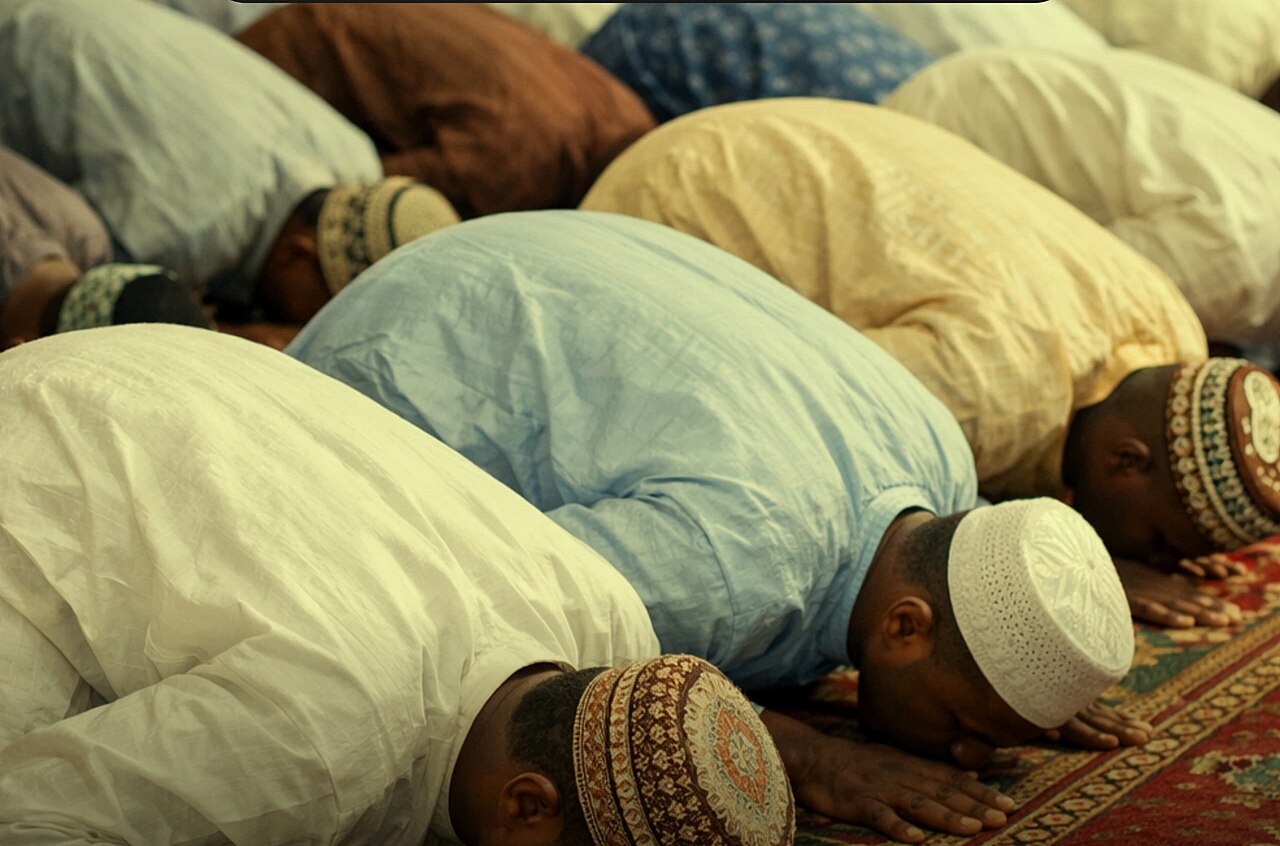
Salah is the first deed a person will be asked about on the Day of Judgement, yet many of us learned to pray as children and never checked whether we were doing it correctly. Small mistakes repeated five times a day for years can affect the quality, and sometimes the validity, of our prayer. In this article we look at seven common mistakes in salat and how to fix them, based on the Sunnah of the Prophet ﷺ, who said: "Pray as you have seen me praying" (Sahih al-Bukhari 631).
Pillars (Arkan) vs Obligatory Acts (Wajibat)
Before looking at the mistakes, it helps to understand that scholars divide the actions of prayer into categories. The terms and lists differ between the schools of fiqh (Hanafi, Maliki, Shafi'i and Hanbali), but the general idea is similar:
- Pillars (arkan or fara'id): essential parts such as standing (for those able), the opening takbir, reciting al-Fatihah, bowing, prostrating and the final sitting. If a pillar is left out, the prayer is not valid unless it is made up.
- Obligatory acts (wajibat): required parts which, in several schools, can be compensated with the prostration of forgetfulness (sujood as-sahw) if missed by mistake.
- Sunnah acts: recommended actions that complete the prayer and bring extra reward.
Follow the school you were taught or ask a qualified scholar at your local mosque for the details of your madhhab.
Mistake 1: Rushing Through the Movements
A man once prayed quickly in the mosque, then greeted the Prophet ﷺ, who told him: "Go back and pray, for you have not prayed." This happened three times, then the Prophet ﷺ taught him to bow until he was at rest, stand straight, prostrate until he was at rest, and sit until he was at rest (Sahih al-Bukhari 757, Sahih Muslim 397).
The fix: Pause in every position until your body is still. This calmness is called tuma'ninah. A good test is whether you can say the remembrance of that position, such as "Subhana Rabbiyal-'Azim" in ruku', at least once calmly.
Mistake 2: Not Reciting Al-Fatihah Properly
The Prophet ﷺ said: "There is no prayer for the one who does not recite the Opening of the Book" (Sahih al-Bukhari 756). Some people mumble so fast that letters are lost, or skip words.
The fix: Learn al-Fatihah with correct pronunciation from a teacher, recite verse by verse, and pause at the end of each verse as the Prophet ﷺ did. Learning the meaning also improves your focus.
Note: whether a person praying behind an imam should recite al-Fatihah is a matter of well-known scholarly difference. Follow your madhhab.
Mistake 3: Incorrect Posture in Ruku'
Common errors include bending only slightly, keeping the head much lower or higher than the back, and not holding the knees.
The fix: Place your hands on your knees with fingers spread, keep your back straight and level, and keep your head in line with your back.
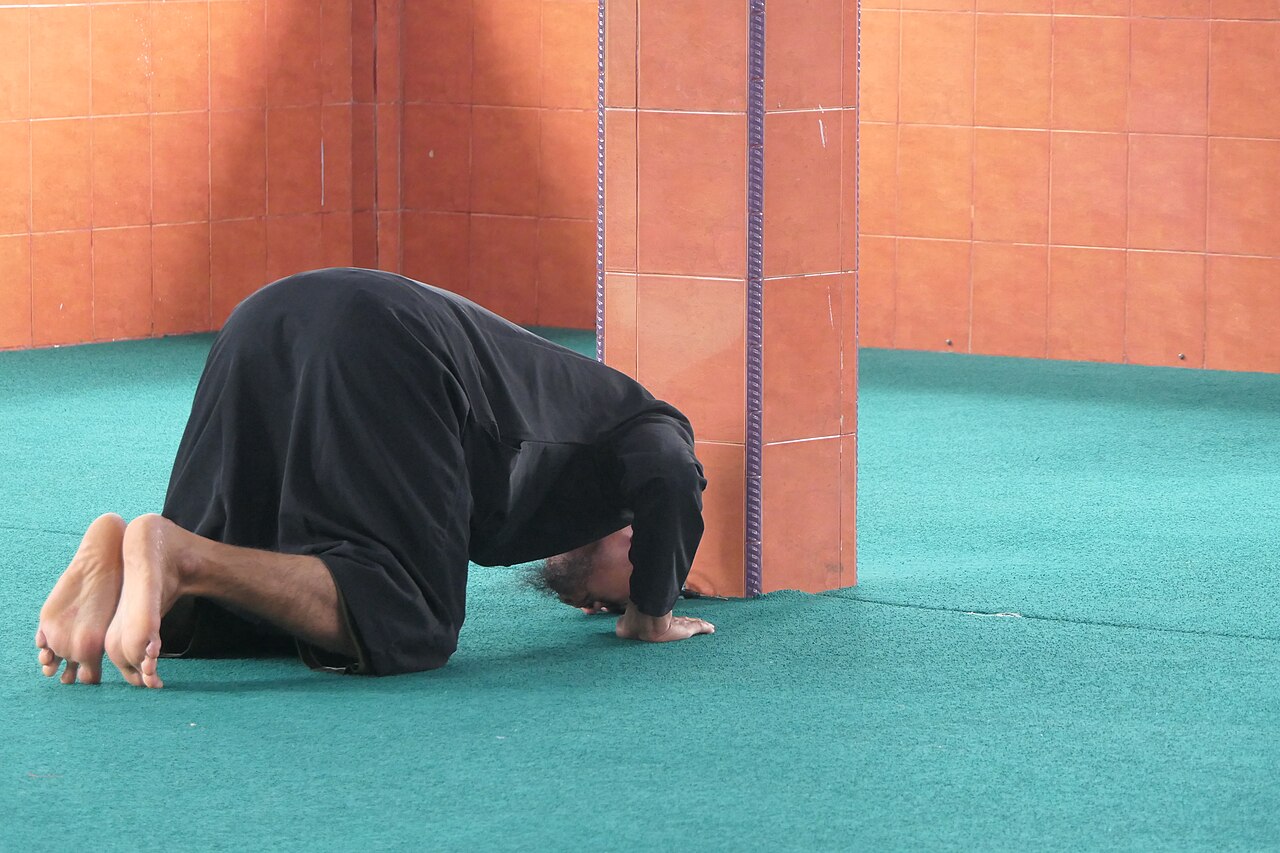
Mistake 4: Not Placing All Seven Body Parts in Sujood
The Prophet ﷺ said: "I have been commanded to prostrate on seven bones: the forehead, and he pointed to his nose, the two hands, the two knees and the ends of the two feet" (Sahih al-Bukhari 812, Sahih Muslim 490).
Many people lift their feet, or let the nose hover above the ground.
The fix: Check all seven points: forehead with nose, both palms, both knees, and the toes of both feet touching the ground, with the toes pointing towards the qiblah where possible.
Mistake 5: Resting the Forearms on the Ground
The Prophet ﷺ said: "Be balanced in prostration, and none of you should spread his forearms like a dog" (Sahih al-Bukhari 822, Sahih Muslim 493).
The fix: Keep your palms on the ground and lift your elbows and forearms up. Men keep the arms slightly away from the sides when there is space; in a crowded row, avoid disturbing the person next to you.
Mistake 6: Looking Around or Upwards
The Prophet ﷺ strongly warned people who raise their gaze to the sky during prayer (Sahih al-Bukhari 750). Looking around, checking a watch or a phone also reduces focus.
The fix: Keep your eyes towards the place of prostration. Silence your phone before you start.
Mistake 7: Not Knowing How to Fix a Forgotten Act
Everyone forgets sometimes, even the Prophet ﷺ forgot in prayer and taught us how to correct it. When you add or miss something, or are unsure how many rak'ahs you prayed, the Sunnah is sujood as-sahw: two extra prostrations.
How to perform sujood as-sahw
- If you are unsure whether you prayed three or four rak'ahs, build on the smaller number and complete the prayer (Sahih Muslim 571).
- Perform two prostrations, sitting between them, as in normal prayer.
- Depending on the situation and the madhhab, these are done before or after the final salam. The Hanafi school, widely followed in Bangladesh, generally does them after one salam to the right, followed by tashahhud again.
Practical Tips to Keep Your Prayer Correct
- Pray next to someone knowledgeable once in a while and ask for honest feedback.
- Attend a short fiqh-of-salah class at your local mosque. Use MosqueByMe to find mosques near you that hold classes or have an imam you can ask.
- Pray in congregation as much as you can; following a good imam teaches correct rhythm.
Frequently Asked Questions
Is my prayer valid if I made one of these mistakes in the past?
Allah does not burden a soul beyond its capacity. For past mistakes made through ignorance, many scholars say you do not need to repeat years of prayers; correct yourself from now on. Ask a scholar for your specific case.
Do women pray differently from men?
The pillars are the same. Some schools recommend that women keep the body more compact in ruku' and sujood. Follow your madhhab.
What should I do if I forget the first tashahhud?
If you have already stood up fully, do not go back; continue and perform sujood as-sahw.
Can I recite al-Fatihah from my phone?
It is better to memorise al-Fatihah and short surahs. If you are a new Muslim still learning, ask your local imam about temporary concessions.
Correcting our prayer is one of the most valuable investments we can make. Pick one mistake from this list and fix it this week.
Image Credits
- Muslims Praying in a Mosque During Ramadan.jpg by Pharouqenr, CC BY-SA 4.0, via Wikimedia Commons
- Sujud Salah Satu Gerakan Salat.jpg by Muhamad Izzul Fiqih, CC BY-SA 4.0, via Wikimedia Commons
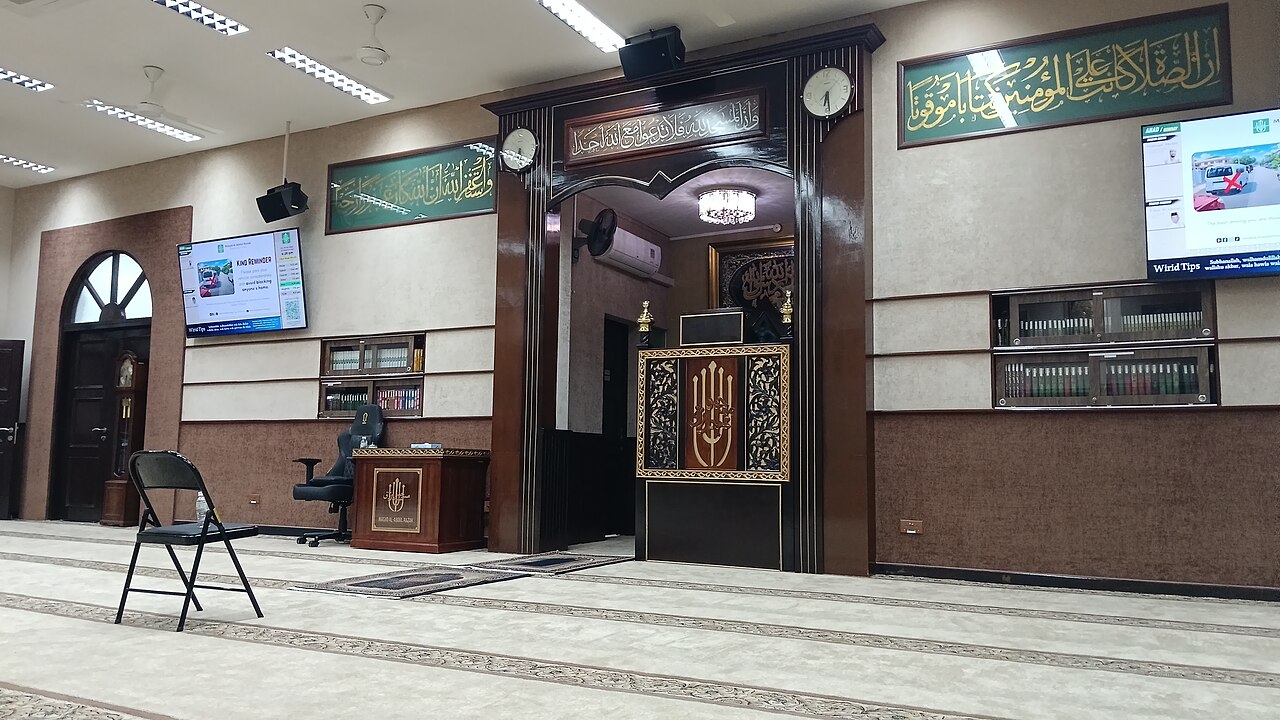
- Main prayer hall of the Abdul Razak Mosque at Kembangan.jpg by M. Adrian Jurhami, CC BY 4.0, via Wikimedia Commons